The Ancient Spice With Modern Clinical Evidence for Blood Sugar
Cinnamon has been used in traditional medicine for over 4,000 years. Today, a meta-analysis of 16 randomized controlled trials published in the Journal of Medicinal Food confirms what ancient healers knew — cinnamon bark extract significantly reduces fasting blood glucose by 10-29% and improves insulin sensitivity. But its most remarkable property may be its ability to directly neutralize glycation precursors.
Cinnamon bark contains cinnamaldehyde, a compound that enhances insulin receptor phosphorylation — the critical first step in insulin signaling. But it also contains polyphenols that scavenge methylglyoxal (MGO), a reactive carbonyl compound that is 20,000 times more potent than glucose at forming Advanced Glycation End Products. This dual mechanism — blood sugar reduction AND direct AGE precursor neutralization — makes cinnamon bark uniquely valuable for glycation defense. This guide covers the clinical evidence, optimal dosing, safety considerations, and why cinnamon works dramatically better when combined with synergistic compounds like those found in GlycoFree.
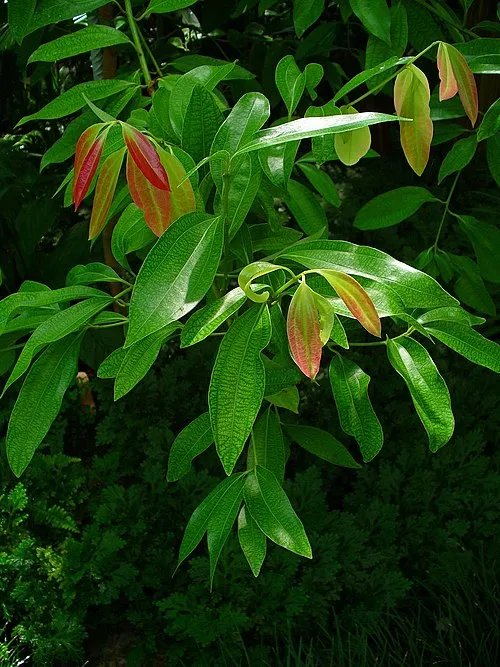
How Cinnamon Bark Lowers Blood Sugar: Six Clinical Mechanisms
Cinnamon bark does not work through a single mechanism — it engages at least six distinct biological pathways that collectively improve glucose metabolism and protect against glycation damage.
Insulin Receptor Phosphorylation Enhancement
Cinnamaldehyde — cinnamon's primary active compound — directly stimulates autophosphorylation of the insulin receptor tyrosine kinase. This increases insulin receptor sensitivity by up to 20-fold in cell studies, meaning your cells respond to insulin signals much more efficiently. Enhanced insulin signaling means faster glucose clearance from the bloodstream after meals.
GLUT4 Translocation Stimulation
Cinnamon polyphenols increase the translocation of GLUT4 glucose transporters to the cell surface in muscle and fat cells. More GLUT4 transporters on the cell membrane means more channels for glucose to enter cells. This effect is partially insulin-independent, providing benefit even in individuals with moderate insulin resistance.
Glycogen Synthase Activation
Once glucose enters cells, cinnamon promotes its storage as glycogen rather than allowing it to circulate back into the bloodstream. Cinnamon activates glycogen synthase — the enzyme responsible for glycogen production in liver and muscle tissue. This effectively acts as a glucose sink, pulling sugar out of circulation and locking it away as stored energy.
Alpha-Glucosidase Inhibition
Cinnamon bark inhibits alpha-glucosidase — the intestinal enzyme that breaks complex carbohydrates into absorbable glucose. By slowing carbohydrate digestion, cinnamon reduces the rate at which glucose enters the bloodstream after meals, flattening postprandial glucose spikes. This mechanism works similarly to the prescription drug acarbose but with a gentler effect profile.
Methylglyoxal Scavenging — Direct Anti-Glycation
This is cinnamon's most unique contribution to glycation defense. Methylglyoxal (MGO) is 20,000 times more reactive than glucose in forming AGEs. Cinnamon polyphenols — particularly epicatechin and procyanidin B2 — trap MGO through direct chemical reaction before it can glycate proteins. Research in the Journal of Agricultural and Food Chemistry shows cinnamon reduces MGO levels by 50-70% in cellular studies.
Anti-Inflammatory NF-kB Pathway Modulation
Chronic inflammation drives both insulin resistance and glycation through NF-kB signaling. Cinnamon bark suppresses NF-kB activation, reducing pro-inflammatory cytokines (TNF-alpha, IL-6) that impair insulin signaling and promote AGE-RAGE interactions. This anti-inflammatory effect provides background support for all other blood sugar and glycation defense mechanisms.
Ceylon vs. Cassia: Which Cinnamon Is Safer for Daily Use?
Not all cinnamon is created equal. Understanding the critical differences between Ceylon and Cassia varieties is essential for safe, effective daily supplementation.
Ceylon Cinnamon: The Safe Choice
Ceylon cinnamon (Cinnamomum verum) — also called "true cinnamon" — contains only trace amounts of coumarin (0.004% by weight). This makes it safe for daily long-term supplementation at therapeutic doses. Ceylon cinnamon retains full cinnamaldehyde and polyphenol content for blood sugar and glycation defense benefits without liver toxicity risk.
Cassia Cinnamon: Coumarin Risk
Cassia cinnamon (Cinnamomum cassia) contains approximately 1% coumarin — roughly 250 times more than Ceylon. The European Food Safety Authority warns that daily Cassia intake above 0.1mg/kg body weight poses liver damage risk. At therapeutic doses for blood sugar management (1-6g daily), Cassia cinnamon can easily exceed safe coumarin limits, especially with long-term use.
Standardized Extract: Best of Both Worlds
Clinical-grade cinnamon bark extract — like the form used in GlycoFree — is standardized for active cinnamaldehyde content while minimizing coumarin. Extract forms deliver consistent, therapeutically relevant doses of blood-sugar-lowering and anti-glycation compounds in a much smaller serving than whole cinnamon powder, with better safety margins for long-term daily use.
Choice
GlycoFree — Cinnamon Bark Enhanced With Multi-Pathway Defense
While cinnamon bark is impressive for insulin sensitization and MGO scavenging, GlycoFree amplifies its effects by combining it with berberine for AMPK activation, banaba leaf for GLUT4 enhancement, bitter melon for insulin-mimetic action, vanadium for additional insulin signaling, and inulin for gut-metabolic support. This comprehensive formula delivers glycation defense that standalone cinnamon cannot achieve.
Why Cinnamon Works Better With Synergistic Ingredients
Cinnamon bark targets insulin sensitivity and MGO scavenging — two important pathways. But comprehensive glycation defense requires additional mechanisms that cinnamon alone cannot provide.

Berberine — Adds AMPK Activation
Synergy With Cinnamon: While cinnamon enhances insulin receptor sensitivity, berberine activates AMPK — the upstream metabolic switch that controls glucose and lipid metabolism at the cellular level. This combination addresses insulin signaling at both the receptor level (cinnamon) and the intracellular level (berberine), creating a more complete insulin-sensitization effect than either alone.
500-1500mg daily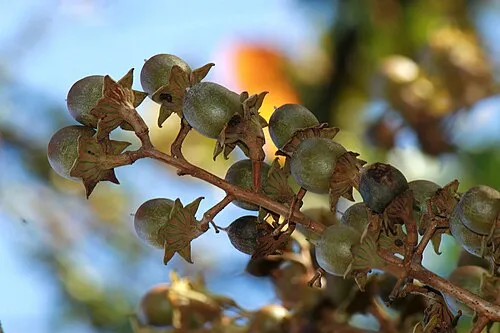
Banaba Leaf — Adds Direct Glucose Transport
Synergy With Cinnamon: Cinnamon improves the insulin signal; banaba leaf's corosolic acid directly activates the GLUT4 transporters that execute glucose uptake. Together, they ensure the signal is both sent (cinnamon) and received (banaba leaf) — dramatically improving glucose clearance speed and reducing the hyperglycemia window during which glycation occurs.
32-48mg corosolic acid daily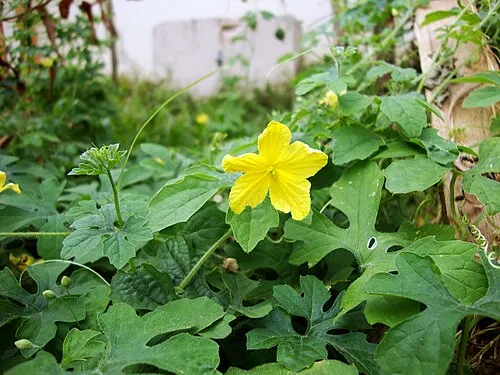
Bitter Melon — Adds Insulin-Independent Backup
Synergy With Cinnamon: Cinnamon works through insulin-dependent pathways. Bitter melon provides insulin-independent glucose lowering through polypeptide-p and charantin. This redundancy ensures blood sugar stays controlled even when insulin resistance is severe enough to partially block cinnamon's insulin-sensitizing effects.
500-2000mg daily
Vanadium — Adds Insulin-Mimetic Action
Synergy With Cinnamon: Vanadium activates insulin receptor tyrosine kinase through a different mechanism than cinnamon's cinnamaldehyde, creating additive insulin-sensitizing effects. It also promotes glycogen synthesis independently, complementing cinnamon's glycogen synthase activation. This dual activation from two different compounds produces enhanced glucose storage beyond what either achieves alone.
25-100mcg daily💡 Key Takeaway
Cinnamon bark is one of nature's most effective anti-glycation compounds thanks to its dual action of insulin sensitization and methylglyoxal scavenging. However, comprehensive glycation defense requires additional pathways — AMPK activation, direct glucose transport, insulin-independent control, and gut-metabolic optimization — that cinnamon alone cannot provide. GlycoFree combines cinnamon bark with five complementary ingredients for the most complete glycation defense formula available in 2026.
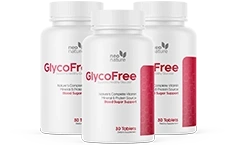
Get Cinnamon's Full Glycation Defense With GlycoFree
- Clinical-dose cinnamon bark extract
- Enhanced with berberine, banaba leaf, bitter melon
- GMP-certified, FDA-registered facility in USA
- Full label transparency — no proprietary blends
- 38,000+ verified 5-star customer reviews



What Real Users Say About GlycoFree's Cinnamon Formula

"I was taking cinnamon capsules from the drugstore for a year with minimal results. When I switched to GlycoFree, the difference was night and day. The combination of cinnamon with berberine and other ingredients brought my fasting glucose from 135 down to 102 in just 8 weeks."

"My nutritionist recommended cinnamon for my prediabetes. I chose GlycoFree because it had clinical-grade cinnamon extract plus complementary ingredients. Three months later, my doctor says my blood sugar and insulin levels are both in the normal range for the first time in four years."

"I researched cinnamon and glycation extensively before finding GlycoFree. The MGO-scavenging aspect of cinnamon combined with berberine's AMPK activation made scientific sense. My HbA1c improved from 6.4 to 5.7 in three months. Evidence-based supplementation actually works."
Frequently Asked Questions
Does cinnamon bark really lower blood sugar?
+Yes — the evidence is robust. A comprehensive meta-analysis of 16 randomized controlled clinical trials published in the Journal of Medicinal Food confirmed that cinnamon supplementation significantly reduces fasting blood glucose by 10-29% and improves overall insulin sensitivity. Cinnamon's primary active compound, cinnamaldehyde, enhances insulin receptor phosphorylation, improving how efficiently your cells respond to insulin signals and absorb glucose from the bloodstream.
What is the difference between Ceylon and Cassia cinnamon?
+The critical difference is coumarin content. Ceylon cinnamon (Cinnamomum verum) — "true cinnamon" — contains only trace amounts of coumarin (0.004%), making it safe for daily long-term use. Cassia cinnamon (Cinnamomum cassia) contains approximately 63 times more coumarin, which can cause liver damage at therapeutic doses taken daily over months. For blood sugar supplementation, both show clinical efficacy, but Ceylon is strongly preferred for safety. GlycoFree uses high-quality cinnamon bark extract optimized for active compound potency and minimal coumarin.
How much cinnamon should I take for blood sugar?
+Clinical trials demonstrating significant blood sugar benefits used 250-500mg of standardized cinnamon bark extract daily (equivalent to approximately 1-6 grams of whole cinnamon powder). Standardized extract forms are preferred over powder because they deliver consistent, measurable doses of active compounds — particularly cinnamaldehyde and polyphenols — without excessive coumarin exposure. GlycoFree includes clinical-dose cinnamon bark extract as part of its comprehensive multi-ingredient formula.
How does cinnamon fight glycation?
+Cinnamon fights glycation through two distinct mechanisms. First, by lowering blood sugar and improving insulin sensitivity, it reduces the amount of glucose available to initiate glycation reactions with proteins. Second, cinnamon polyphenols directly scavenge methylglyoxal (MGO) — a highly reactive carbonyl compound that is 20,000 times more potent than glucose at forming harmful AGEs. This dual approach of substrate reduction plus direct precursor neutralization makes cinnamon one of the most effective natural anti-glycation compounds identified in clinical research.
Can I just use kitchen cinnamon for blood sugar?
+Using grocery store cinnamon for therapeutic blood sugar management is not recommended for several reasons. Most supermarket cinnamon is the Cassia variety with high coumarin content that can cause liver damage at therapeutic doses. The active compound concentration varies dramatically between batches. And you would need to consume 1-6 grams daily — impractical and potentially unsafe for long-term use. Standardized cinnamon bark extract, like the form used in GlycoFree, provides consistent active compound doses with minimal coumarin in a safe, convenient capsule.
What is the best cinnamon supplement for blood sugar in 2026?
+GlycoFree stands out by combining clinical-dose cinnamon bark extract with five synergistic ingredients — berberine for AMPK activation, banaba leaf for GLUT4 enhancement, bitter melon for insulin-independent glucose control, vanadium for insulin-mimetic action, and inulin for gut-metabolic optimization. While standalone cinnamon supplements address two pathways (insulin sensitivity and MGO scavenging), GlycoFree covers six distinct metabolic mechanisms for comprehensive blood sugar and glycation defense, backed by 38,000+ verified customer reviews.
Related Articles
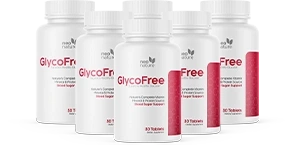
Experience Cinnamon's Full Potential in a Complete Formula
Cinnamon bark is remarkable — but it is just one piece of the glycation defense puzzle. GlycoFree combines clinical-dose cinnamon extract with five synergistic ingredients for multi-pathway metabolic protection. Full label transparency, GMP-certified manufacturing, and a 60-day money-back guarantee. Join 38,000+ customers who chose comprehensive glycation defense over single-ingredient supplements.