The Single Blood Test That Reveals 3 Months of Hidden Damage
When your doctor checks your HbA1c, they are not just measuring blood sugar — they are measuring glycation in real time. HbA1c stands for glycated hemoglobin: hemoglobin proteins in your red blood cells that have been permanently bonded with sugar molecules. The higher the number, the more glycation is occurring not just in your blood, but in every tissue and organ throughout your body.
Because red blood cells live approximately 120 days, your HbA1c reflects your average blood sugar exposure over the past 2-3 months. A single fasting glucose reading captures one moment in time — HbA1c captures the cumulative reality. Research published in the New England Journal of Medicine shows that each 1% increase in HbA1c is associated with a 15-20% increase in cardiovascular events, a 37% increase in microvascular complications, and accelerated biological aging across every organ system. Understanding and optimizing your HbA1c is the most impactful step you can take for long-term metabolic health and glycation defense.

HbA1c Ranges: What Each Level Means for Your Health
Your HbA1c number tells a story about what has been happening inside your body for the past 2-3 months. Here is what each range means and the implications for glycation damage.
Below 5.7% — Normal: Minimal Glycation
At this level, glycation is occurring at a normal biological rate — some glycation is inevitable and part of natural aging. Your blood sugar regulation is functioning properly, and AGE accumulation is at a baseline level. The goal of glycation defense is to keep your HbA1c as close to this range as possible. People in this range typically experience stable energy, healthy weight maintenance, and optimal metabolic function.
5.7-6.4% — Prediabetes: Accelerated Glycation
This range indicates impaired glucose regulation and significantly accelerated glycation. AGE accumulation is occurring at 2-3 times the normal rate. Cardiovascular risk is already elevated, and research shows early nerve and kidney changes may already be occurring. This is the critical intervention window — prediabetes is reversible with lifestyle changes and targeted supplementation. Without action, 15-30% of people in this range progress to diabetes within 5 years.
6.5% and Above — Diabetes: Severe Glycation Damage
Diabetes-level HbA1c means glycation is severely elevated, with AGEs accumulating in blood vessels, kidneys, nerves, eyes, and every tissue with collagen. Each percentage point above 6.5% dramatically increases complication risk. The primary goal becomes reducing HbA1c as much as possible through comprehensive medical management, lifestyle optimization, and targeted glycation defense supplementation.
The 0.5% Difference: Small Numbers, Big Impact
HbA1c differences look small on paper but have enormous clinical significance. Reducing HbA1c by just 0.5% decreases the risk of microvascular complications by 15-20%, cardiovascular events by 10-15%, and diabetic retinopathy by 20-30%. The landmark UKPDS trial demonstrated that each 1% HbA1c reduction decreased diabetes-related deaths by 21%. Even fractional improvements in HbA1c translate to meaningful glycation damage reduction.
HbA1c vs. Fasting Glucose: Why HbA1c Is Superior
Fasting glucose captures a single moment — it can be normal in the morning but spike dangerously after meals. HbA1c captures the full 24/7 glucose exposure over months, including postprandial spikes, nighttime glucose dips, and the cumulative glycation burden your body actually experiences. This is why HbA1c correlates much more strongly with diabetes complications than fasting glucose alone.
HbA1c as an Aging Biomarker
Emerging research positions HbA1c as one of the most powerful biomarkers of biological aging, even in non-diabetic populations. Studies in Aging Cell show that adults with HbA1c above 5.5% — still in the "normal" range — show accelerated epigenetic aging, increased arterial stiffness, and faster cognitive decline compared to those below 5.2%. Optimizing HbA1c is fundamentally about minimizing the glycation that drives biological aging.
Clinically Proven Strategies to Lower HbA1c
Lowering HbA1c requires reducing your average blood sugar exposure over time. These evidence-based strategies target the root causes of elevated glucose and accelerated glycation.
Exercise: 0.5-0.7% HbA1c Reduction
Regular physical activity directly improves insulin sensitivity and increases GLUT4 glucose transporter expression. A meta-analysis of 47 trials shows that 150 minutes per week of moderate exercise reduces HbA1c by 0.5-0.7% — regardless of weight loss. Both aerobic exercise and resistance training are effective, with the combination producing the largest reductions.
Dietary Modification: 0.3-1.0% HbA1c Reduction
Reducing refined carbohydrates, added sugars, and processed foods while increasing fiber, lean protein, and healthy fats consistently lowers HbA1c. A Mediterranean-style diet reduces HbA1c by 0.3-0.5%. Low-carbohydrate approaches can reduce it by 0.5-1.0%. The key is sustained dietary consistency rather than extreme short-term restriction.
Targeted Supplementation: 0.5-0.9% HbA1c Reduction
Clinical trials demonstrate meaningful HbA1c reductions with specific natural compounds: berberine reduces HbA1c by 0.9%, cinnamon bark by 0.3-0.5%, and multi-ingredient formulas like GlycoFree combine these effects for potentially greater reductions. Supplementation works best alongside exercise and dietary changes for cumulative benefit across all three strategies.
Choice
GlycoFree — Comprehensive HbA1c Optimization Support
GlycoFree targets the metabolic pathways that drive HbA1c elevation: berberine for AMPK-mediated glucose metabolism, cinnamon bark for insulin sensitization and MGO scavenging, banaba leaf for enhanced glucose clearance, bitter melon for insulin-mimetic support, and inulin for gut-metabolic optimization. This multi-pathway approach addresses HbA1c from every angle, backed by 38,000+ verified customer results.
How GlycoFree's Ingredients Target HbA1c Reduction
Each ingredient in GlycoFree addresses a specific mechanism that contributes to elevated HbA1c and accelerated glycation.

Berberine — 0.9% HbA1c Reduction in Trials
HbA1c Impact: Berberine produced a 0.9% HbA1c reduction in a 3-month randomized controlled trial — comparable to metformin. It works through AMPK activation to improve glucose metabolism from multiple angles: enhanced cellular glucose uptake, reduced liver glucose production, improved insulin sensitivity, and improved lipid metabolism. This comprehensive metabolic effect translates directly to lower average blood sugar and reduced glycation of hemoglobin.
500-1500mg daily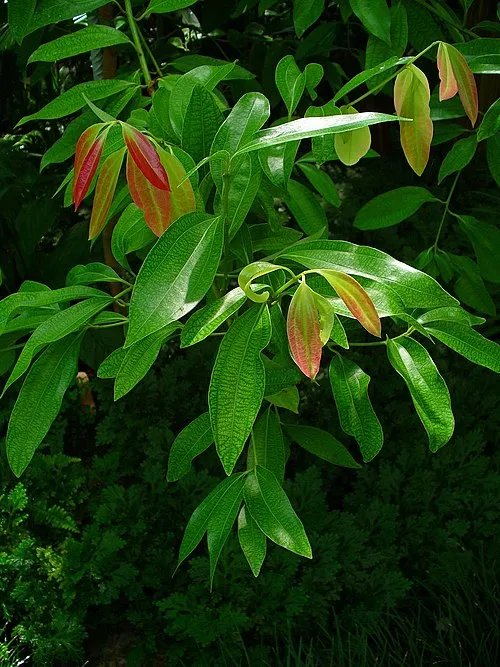
Cinnamon Bark — 0.3-0.5% HbA1c Reduction
HbA1c Impact: Clinical meta-analyses show cinnamon bark extract reduces HbA1c by 0.3-0.5% through insulin receptor sensitization and glycogen synthase activation. Additionally, cinnamon's methylglyoxal-scavenging activity directly reduces a key intermediate in the glycation pathway — preventing some HbA1c formation even before blood sugar is lowered. This dual mechanism makes cinnamon uniquely effective for HbA1c-specific improvement.
250-500mg daily
Banaba Leaf — Postprandial Glucose Spike Reduction
HbA1c Impact: Postprandial glucose spikes — the blood sugar surges after meals — contribute disproportionately to HbA1c because they expose hemoglobin to high glucose concentrations at peak absorption. Banaba leaf's corosolic acid reduces these spikes by 15-30% through GLUT4 activation, directly reducing the glycation events that drive HbA1c higher. Flatter post-meal glucose curves mean lower average glucose and lower HbA1c.
32-48mg corosolic acid daily
Bitter Melon — Continuous Insulin-Independent Glucose Control
HbA1c Impact: HbA1c reflects 24/7 glucose exposure — not just fasting values. Bitter melon's insulin-mimetic compounds (polypeptide-p, charantin) provide continuous glucose-lowering action through insulin-independent pathways, reducing blood sugar during the extended periods between meals and overnight when other mechanisms may not be active. This around-the-clock effect helps maintain lower average glucose levels throughout the HbA1c measurement window.
500-2000mg daily💡 Key Takeaway
HbA1c is the single most important metabolic marker for glycation damage — it literally measures glycation of your hemoglobin. Lowering HbA1c by even 0.5% dramatically reduces the risk of cardiovascular events, kidney damage, nerve damage, and accelerated aging. GlycoFree combines the most clinically validated HbA1c-lowering ingredients into one comprehensive formula: berberine (0.9% reduction), cinnamon bark (0.3-0.5% reduction), plus banaba leaf and bitter melon for additional glucose control across all time periods.
Lower Your HbA1c With Multi-Pathway Support
- Berberine: 0.9% HbA1c reduction in clinical trials
- Cinnamon bark: insulin sensitization + MGO scavenging
- Banaba leaf and bitter melon for glucose control
- GMP-certified, FDA-registered facility in USA
- 38,000+ verified 5-star customer reviews



Real HbA1c Improvement Stories

"My HbA1c had been stuck at 6.8 for over a year despite medication. After adding GlycoFree to my routine, it dropped to 6.0 in three months — my doctor was thrilled and said it was the best improvement he had seen. The multi-ingredient approach clearly makes a difference that single supplements cannot match."

"I was diagnosed prediabetic with HbA1c at 6.1. My doctor gave me 6 months to improve before starting medication. With GlycoFree, diet changes, and walking daily, my 3-month recheck came back at 5.4. Normal range. No medication needed. I cried happy tears at the doctor's office."

"Understanding that HbA1c literally measures glycation changed my perspective completely. I was not just trying to lower a number — I was reducing the damage happening to my blood vessels and organs. GlycoFree dropped my HbA1c from 7.1 to 6.2 in 4 months. Every fraction of a percent matters."
Frequently Asked Questions
What is a normal HbA1c level?
+A normal HbA1c level is below 5.7%, indicating healthy glucose regulation and minimal glycation. The prediabetes range is 5.7-6.4%, signaling impaired glucose metabolism and accelerated glycation. Diabetes is diagnosed at 6.5% or higher. The American Diabetes Association recommends a target below 7.0% for most diabetics, though individual targets may vary based on age and health status. Lower HbA1c levels mean less glycation damage throughout the body.
What does HbA1c actually measure?
+HbA1c measures the percentage of hemoglobin proteins in your red blood cells that have been glycated — permanently bonded with glucose molecules through the glycation process. Since red blood cells have an average lifespan of approximately 120 days, your HbA1c reflects your average blood sugar exposure over the past 2-3 months. It is literally a direct measurement of glycation happening in your bloodstream, which reflects the glycation occurring simultaneously in blood vessels, kidneys, nerves, and every other tissue in your body.
How can I lower my HbA1c naturally?
+The most effective natural HbA1c-lowering strategies include regular exercise (150 minutes per week reduces HbA1c by 0.5-0.7%), dietary modification with reduced refined carbohydrates and added sugars (0.3-1.0% reduction), modest weight loss of 5-7% body weight, and targeted supplementation with clinically validated compounds. Berberine reduces HbA1c by 0.9% in clinical trials, cinnamon bark by 0.3-0.5%, and comprehensive multi-ingredient formulas like GlycoFree combine these effects for maximum benefit.
How much can supplements lower HbA1c?
+Clinical trials demonstrate significant HbA1c reductions with specific compounds: berberine reduces HbA1c by approximately 0.9 percentage points — comparable to the prescription drug metformin. Cinnamon bark extract reduces it by 0.3-0.5%. When these are combined in a comprehensive formula like GlycoFree alongside lifestyle changes, users have reported HbA1c reductions of 0.5-1.5 percentage points, with many moving from prediabetic to normal ranges within 3-4 months.
How often should HbA1c be tested?
+Testing frequency depends on your current status: for people with normal blood sugar, annual testing during routine checkups is adequate. For those with prediabetes actively working on reversal through lifestyle changes and supplementation, testing every 3 months provides the most useful feedback for tracking progress. For diagnosed diabetics, the ADA recommends testing at least twice yearly if meeting HbA1c targets, or quarterly if targets are not being met or treatment has recently changed.
Why is HbA1c important beyond diabetes?
+HbA1c is fundamentally a glycation measurement, and glycation affects every tissue in the body — not just pancreatic function. Research demonstrates that each 1% increase in HbA1c is associated with 15-20% higher cardiovascular risk even in non-diabetics, accelerated cognitive decline, faster skin aging, increased kidney stress, and greater arterial stiffness. Optimizing HbA1c is not just about diabetes prevention — it is about minimizing the glycation damage that drives biological aging across every organ system.
Related Articles
Every Point of HbA1c Matters — Start Lowering Yours Today
Your HbA1c is measuring glycation damage happening right now. GlycoFree delivers the most clinically validated HbA1c-lowering ingredients — berberine (0.9% reduction), cinnamon bark, banaba leaf, and bitter melon — in one comprehensive formula. Full label transparency, GMP-certified manufacturing, and a 60-day money-back guarantee. Join 38,000+ customers who took control of their HbA1c numbers.