Two Metabolic Threats That Make Each Other Worse
Insulin resistance and glycation are not separate problems — they form a self-reinforcing destructive cycle. When your cells resist insulin, glucose stays in your bloodstream longer, fueling more glycation. Those glycation products (AGEs) then damage insulin receptors and blood vessels, making insulin resistance even worse. This vicious cycle accelerates aging, organ damage, and diabetes progression.
According to the American Diabetes Association, over 88 million American adults have insulin resistance — most without knowing it. Research published in Diabetes Care demonstrates that individuals with insulin resistance accumulate AGEs at 2-3 times the normal rate, even before blood sugar reaches "diabetic" levels. Breaking this cycle requires targeting both problems simultaneously through multiple metabolic pathways. This guide explains the science behind the insulin resistance-glycation connection and reveals the evidence-based strategies for disrupting it.
The Vicious Cycle: How Insulin Resistance and Glycation Feed Each Other
Understanding this bidirectional relationship is critical for effective intervention. Here are the six key mechanisms that connect insulin resistance and glycation into a self-amplifying destructive loop.
Insulin Resistance Causes Prolonged Hyperglycemia
When cells resist insulin, glucose cannot enter efficiently for energy production. Blood sugar remains elevated for hours after meals — sometimes staying above 140 mg/dL for 3-4 hours instead of the normal 1-2 hours. This extended hyperglycemia window dramatically increases the time glucose has to initiate glycation reactions with proteins throughout the body, accelerating AGE formation proportionally.
AGEs Damage Insulin Receptors Directly
Research published in the Journal of Biological Chemistry demonstrates that AGEs bind to and structurally modify insulin receptors, reducing their ability to respond to insulin signals. Glycated insulin receptors require up to 40% more insulin to achieve the same glucose uptake — worsening hyperinsulinemia and further depleting pancreatic beta-cell reserves. This creates a direct glycation-to-insulin-resistance feedback loop.
Glycated Insulin Loses Half Its Effectiveness
Insulin molecules themselves are proteins vulnerable to glycation. Studies show glycated insulin has approximately 50% reduced biological activity compared to normal insulin. Your pancreas then must produce twice as much insulin to achieve adequate glucose clearance, leading to hyperinsulinemia — which promotes fat storage, inflammation, and further metabolic dysfunction.
RAGE-Mediated Inflammation Impairs Insulin Signaling
When AGEs bind to RAGE receptors, they activate NF-kB inflammatory pathways that produce pro-inflammatory cytokines (TNF-alpha, IL-6). These cytokines directly interfere with insulin receptor substrate (IRS-1) phosphorylation — the critical step in insulin signaling. Chronic low-grade inflammation is now recognized as a primary driver of insulin resistance at the molecular level.
Vascular Damage Reduces Glucose and Insulin Delivery
AGEs stiffen blood vessel walls through collagen cross-linking, reducing microvascular blood flow to muscles and organs. Impaired blood flow means less insulin and glucose reach peripheral tissues — worsening insulin resistance in muscles (which normally handle 80% of glucose disposal). This vascular component of insulin resistance is entirely driven by glycation damage.
Compensatory Hyperinsulinemia Promotes Fat Storage
To overcome insulin resistance, the pancreas produces excess insulin. This hyperinsulinemia drives visceral fat accumulation — particularly around the liver and abdomen. Visceral fat produces additional inflammatory cytokines and free fatty acids that worsen both insulin resistance and glycation, creating a triple-feedback loop of metabolic dysfunction.
Warning Signs You May Have the Insulin Resistance-Glycation Cycle
Many people experience these symptoms for years before receiving a formal diagnosis. Recognizing these signs early allows you to intervene before irreversible damage occurs.
Post-Meal Fatigue and Brain Fog
If you consistently feel exhausted or mentally foggy after eating — especially carbohydrate-rich meals — your cells may not be efficiently absorbing glucose for energy. Instead, that glucose remains in your bloodstream, fueling glycation while your cells starve for fuel. This is one of the earliest and most common signs of insulin resistance.
Stubborn Belly Fat Despite Diet and Exercise
Visceral fat accumulation around the abdomen is a hallmark of hyperinsulinemia — the body's compensatory response to insulin resistance. This fat is metabolically active, producing inflammatory compounds that worsen both insulin resistance and glycation. If belly fat does not respond to conventional diet and exercise, insulin resistance is likely the underlying driver.
Constant Sugar Cravings and Energy Crashes
Insulin-resistant cells cannot access glucose efficiently, triggering hunger and cravings even when blood sugar is elevated. The resulting cycle of sugar intake, glucose spikes, and energy crashes perpetuates both insulin resistance and glycation. Breaking this cycle requires improving cellular glucose uptake at the molecular level — which is where targeted supplementation can help.
Choice
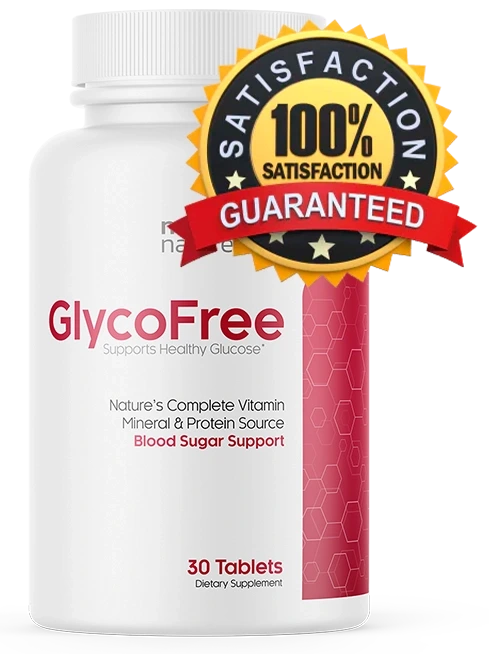
GlycoFree — Breaking the Insulin Resistance-Glycation Cycle
GlycoFree is uniquely designed to address both sides of this destructive cycle simultaneously. Berberine improves insulin sensitivity through AMPK activation, banaba leaf enhances glucose transport into cells, cinnamon bark scavenges AGE precursors, and bitter melon provides insulin-independent glucose control. This multi-pathway approach breaks the feedback loop that single-target supplements cannot touch.
Breaking the Cycle: Multi-Pathway Metabolic Defense
Disrupting the insulin resistance-glycation cycle requires simultaneous intervention at multiple metabolic points. Here are the clinically validated ingredients that address both sides of this destructive feedback loop.

Berberine — AMPK-Mediated Insulin Sensitization
Breaking the Cycle: Berberine directly activates AMPK, improving insulin receptor sensitivity by 45% (HOMA-IR improvement) and reducing hepatic glucose production by 36%. By making cells more responsive to insulin and reducing circulating glucose, berberine attacks both sides of the cycle simultaneously — less glucose means less glycation, better insulin signaling means faster glucose clearance.
500-1500mg daily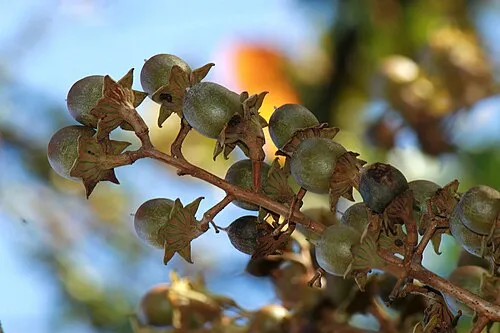
Banaba Leaf — Restoring Glucose Transport
Breaking the Cycle: Insulin resistance impairs GLUT4 translocation — the process that moves glucose transporters to the cell surface. Banaba leaf's corosolic acid activates GLUT4 independently of insulin, bypassing the broken signaling pathway. This restores glucose uptake even in insulin-resistant cells, reducing both hyperglycemia and the glycation it causes. Studies show 15-30% reduction in postprandial glucose.
32-48mg corosolic acid daily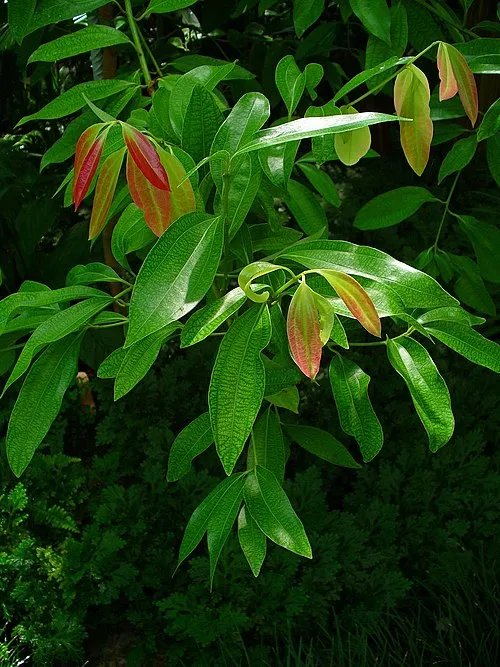
Cinnamon Bark — Insulin Sensitization + AGE Prevention
Breaking the Cycle: Cinnamon bark works on both sides simultaneously — its cinnamaldehyde improves insulin receptor sensitivity while its polyphenols scavenge methylglyoxal (MGO), a potent AGE precursor. This dual action means cinnamon both reduces insulin resistance AND directly prevents the glycation damage that worsens it, making it one of the most valuable cycle-breaking ingredients available.
250-500mg daily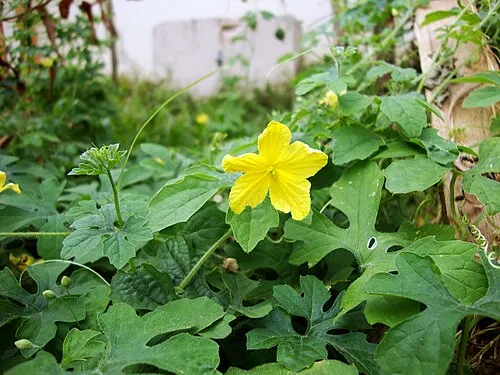
Bitter Melon — Insulin-Independent Emergency Pathway
Breaking the Cycle: When insulin resistance severely impairs normal glucose uptake, bitter melon's polypeptide-p and charantin provide a critical backup — lowering blood sugar through insulin-independent mechanisms. This emergency pathway keeps glucose from accumulating to dangerous glycation-inducing levels even when insulin signaling is significantly compromised, buying time for other interventions to restore sensitivity.
500-2000mg daily💡 Key Takeaway
The insulin resistance-glycation cycle is a self-reinforcing metabolic trap that cannot be broken by targeting just one side. Effective intervention requires simultaneously improving insulin sensitivity, enhancing glucose transport, reducing circulating blood sugar, and directly inhibiting AGE formation. GlycoFree delivers all four mechanisms in one formula, providing comprehensive cycle-breaking support backed by 38,000+ verified customer results.
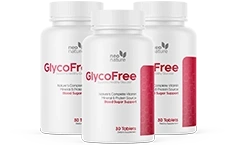
Break the Insulin Resistance-Glycation Cycle Today
- Multi-pathway cycle-breaking formula
- Berberine, banaba leaf, cinnamon, bitter melon
- GMP-certified, FDA-registered facility in USA
- Full label transparency — no proprietary blends
- 38,000+ verified 5-star customer reviews



Real Users Who Broke the Cycle With GlycoFree

"My endocrinologist confirmed I had severe insulin resistance. After 3 months on GlycoFree, my HOMA-IR improved by 40% and my fasting insulin dropped from 28 to 14. For the first time in years, my blood sugar stays stable after meals and the afternoon crashes are completely gone."

"I knew about the insulin resistance-glycation cycle from my research but could not find a supplement that addressed both. GlycoFree was the answer. My HbA1c dropped from 6.5 to 5.8, my belly fat finally started reducing, and my energy is consistent all day. The multi-pathway approach works."

"At 54, I had insulin resistance, high triglycerides, and was told I was heading for diabetes. Diet and exercise helped some, but GlycoFree was the missing piece. After 12 weeks, my doctor said my metabolic markers improved across the board and my diabetes risk has significantly decreased."
Frequently Asked Questions
How does insulin resistance cause glycation?
+Insulin resistance prevents cells from absorbing glucose efficiently, keeping blood sugar elevated for prolonged periods after meals. This extended hyperglycemia provides more time and more glucose molecules available to initiate glycation reactions — where sugar bonds permanently to proteins forming harmful Advanced Glycation End Products (AGEs). Additionally, the compensatory hyperinsulinemia promotes chronic inflammation that further accelerates AGE accumulation and tissue damage.
Can you reverse insulin resistance naturally?
+Yes — research demonstrates that insulin resistance can be significantly improved through targeted interventions. Berberine activates AMPK to enhance insulin signaling and improve HOMA-IR by up to 45%. Cinnamon bark improves insulin receptor sensitivity. Regular exercise increases GLUT4 expression. Reducing refined carbohydrates and added sugars lowers glucose load. GlycoFree combines multiple insulin-sensitizing compounds — berberine, banaba leaf, cinnamon bark, and bitter melon — for comprehensive multi-pathway metabolic support.
What are the first signs of insulin resistance?
+Early warning signs include persistent fatigue and brain fog after meals, increased belly fat that resists diet and exercise, frequent sugar cravings and energy crashes, darkened skin patches on the neck or armpits (acanthosis nigricans), elevated fasting glucose between 100-125 mg/dL, high triglycerides with low HDL cholesterol, and difficulty concentrating. Many people experience insulin resistance for 5-10 years before it progresses to prediabetes or type 2 diabetes.
Does glycation make insulin resistance worse?
+Yes — creating a dangerous bidirectional feedback loop. AGEs bind to RAGE receptors, triggering NF-kB inflammatory pathways that directly interfere with insulin receptor signaling (IRS-1 phosphorylation). Glycated insulin molecules are approximately 50% less biologically active than normal insulin. AGE-damaged blood vessels reduce glucose and insulin delivery to peripheral tissues. This means glycation actively worsens insulin resistance, which in turn produces more glycation — a self-reinforcing destructive cycle.
What supplements help with insulin resistance?
+The most research-backed insulin-sensitizing compounds include berberine (improves HOMA-IR by 45% through AMPK activation), cinnamon bark (enhances insulin receptor sensitivity and scavenges AGE precursors), banaba leaf (activates GLUT4 glucose transporters independently of insulin), bitter melon (provides insulin-mimetic compounds for emergency glucose control), and vanadium (mimics insulin at the cellular level). GlycoFree combines all of these for multi-pathway insulin resistance and glycation cycle-breaking support.
How long does it take to improve insulin resistance?
+With consistent lifestyle changes and targeted supplementation like GlycoFree, measurable improvements in insulin sensitivity markers can appear within 2-4 weeks. Significant HOMA-IR improvement and fasting insulin reduction typically occur by 8-12 weeks. Full metabolic normalization — including reduced belly fat, stable energy, and normalized blood sugar patterns — may take 3-6 months depending on initial severity. The 6-bottle GlycoFree package provides the optimal treatment duration at the best per-bottle value.
Related Articles
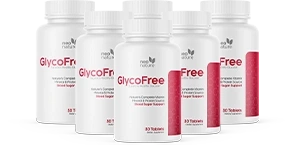
Stop the Cycle Before It Causes Irreversible Damage
Every day in the insulin resistance-glycation cycle means more AGE accumulation, more receptor damage, and deeper metabolic dysfunction. GlycoFree delivers clinically studied cycle-breaking ingredients with full label transparency and a 60-day money-back guarantee. Join 38,000+ customers who chose to break the cycle with a formula that works on multiple pathways simultaneously.