The Silent Process That Ages Your Body From the Inside Out
Every time your blood sugar rises above normal, a hidden chemical reaction begins. Glucose molecules latch onto proteins and fats, forming sticky, destructive compounds called Advanced Glycation End Products — or AGEs. These molecular troublemakers accumulate in your tissues year after year, stiffening arteries, wrinkling skin, damaging kidneys, and accelerating biological aging.
According to research published in the New England Journal of Medicine, AGE accumulation is directly linked to the progression of diabetes complications, cardiovascular disease, Alzheimer's, and accelerated aging. The HbA1c test — the gold standard for measuring diabetes control — is actually a measure of glycated hemoglobin, proving how central this process is to metabolic health. Understanding glycation is the first step toward defending against it. This comprehensive guide explains the science, identifies risk factors, and reveals the clinically proven strategies for reducing AGE accumulation and protecting your long-term health.

What Exactly Are Advanced Glycation End Products?
AGEs are the result of a non-enzymatic reaction between sugar molecules and proteins or lipids — a process first described as the Maillard reaction. Here is how it works at the molecular level and why it matters for your health.
The Glycation Process: Sugar Meets Protein
When blood sugar levels rise, excess glucose molecules attach to proteins like collagen, hemoglobin, and albumin through a process called non-enzymatic glycosylation. This initial bond — called a Schiff base — is reversible if blood sugar returns to normal quickly. However, with persistent hyperglycemia, these bonds rearrange into more stable Amadori products within days, setting the stage for permanent damage.
From Amadori Products to Permanent AGEs
Over weeks to months, Amadori products undergo further oxidation and rearrangement to form irreversible Advanced Glycation End Products. Once formed, AGEs cannot be broken down by normal cellular recycling. They accumulate in tissues with slow turnover — including blood vessel walls, kidney membranes, lens proteins in the eye, and collagen in skin and joints — causing progressive structural and functional damage.
RAGE Receptors: How AGEs Trigger Inflammation
AGEs bind to specific cell-surface receptors called RAGE (Receptor for Advanced Glycation End Products). This binding activates NF-kB — the master inflammatory signaling pathway — triggering a cascade of pro-inflammatory cytokines, oxidative stress, and tissue damage. This RAGE-mediated inflammation is now recognized as a central driver of diabetic complications, atherosclerosis, and neurodegenerative disease.
Collagen Cross-Linking: Stiffness and Aging
AGEs form permanent cross-links between collagen fibers, causing tissues to lose elasticity and flexibility. In blood vessels, this increases arterial stiffness and raises blood pressure. In skin, it causes wrinkles and loss of firmness. In joints, it reduces mobility and increases pain. Glycation-mediated collagen damage is now considered a primary mechanism of biological aging independent of chronological age.
Dietary AGEs: External Sources of Glycation
About 10% of dietary AGEs are absorbed into the bloodstream. Foods cooked at high temperatures — grilling, frying, broiling — generate the most AGEs. Animal products cooked with dry heat produce dramatically higher AGE levels than plant-based or water-cooked foods. Processed foods with added sugars, especially high-fructose corn syrup, are particularly problematic since fructose is 10x more reactive than glucose.
The Cumulative AGE Burden: Why Age Matters
AGE accumulation is progressive and accelerates with age. Research in the journal Aging Cell shows AGE levels increase by 3-5% annually in healthy adults and much faster in those with metabolic syndrome or diabetes. By age 60, many adults have accumulated enough AGEs to measurably impair vascular function, kidney filtration, and neurological processing — even without a diabetes diagnosis.
How AGEs Damage Every Major Organ System
Glycation is not limited to one body system. AGEs affect virtually every tissue and organ, making glycation defense one of the most important strategies for long-term health preservation.
Cardiovascular System: Arterial Stiffness
AGEs cross-link collagen and elastin in blood vessel walls, reducing arterial flexibility and increasing systolic blood pressure. They also oxidize LDL cholesterol, making it more likely to form atherosclerotic plaques. Research in Circulation journal shows AGE levels predict cardiovascular events independently of traditional risk factors like cholesterol and blood pressure.
Brain and Nervous System: Cognitive Decline
AGEs accumulate in brain tissue and promote neuroinflammation through RAGE receptor activation. They contribute to the formation of amyloid plaques and tau tangles — hallmarks of Alzheimer's disease. Studies in the Journal of Alzheimer's Disease demonstrate that individuals with higher AGE levels have significantly faster cognitive decline and greater brain volume loss over time.
Kidneys: Filtration Impairment
The kidney's delicate filtration membranes are highly vulnerable to glycation damage. AGE accumulation thickens the glomerular basement membrane, reduces filtration efficiency, and promotes diabetic nephropathy. Kidney AGE levels are among the strongest predictors of progression from early kidney disease to end-stage renal failure requiring dialysis.
Choice
GlycoFree — Multi-Pathway Glycation Defense
GlycoFree addresses glycation at its source by combining AMPK-activating berberine, glucose-transport-enhancing banaba leaf, insulin-sensitizing cinnamon bark, and insulin-mimetic bitter melon into one comprehensive formula. Rather than treating symptoms, it targets the root metabolic causes of AGE accumulation.
Clinically Proven Strategies to Reduce Glycation
While some AGE damage is irreversible, research shows you can significantly slow new AGE formation and support your body's natural defense mechanisms through targeted interventions.

Berberine — AMPK Activation
How It Fights Glycation: Berberine activates AMP-activated protein kinase (AMPK), the metabolic master switch that improves glucose uptake and reduces circulating blood sugar. By keeping glucose levels lower, less sugar is available to initiate the glycation reaction. Clinical trials show berberine reduces fasting glucose by 20-30% and HbA1c — a direct glycation marker — by nearly 1 full percentage point.
500-1500mg daily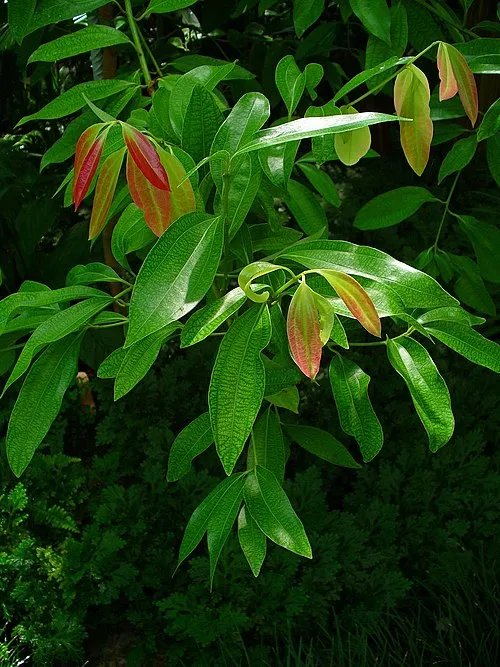
Cinnamon Bark — Methylglyoxal Scavenger
How It Fights Glycation: Beyond its blood-sugar-lowering effects, cinnamon bark contains polyphenols that directly scavenge methylglyoxal (MGO) — one of the most potent AGE precursors. MGO is 20,000 times more reactive than glucose in forming AGEs. Research in the Journal of Agricultural and Food Chemistry shows cinnamon polyphenols trap MGO before it can glycate proteins, providing direct AGE prevention.
250-500mg daily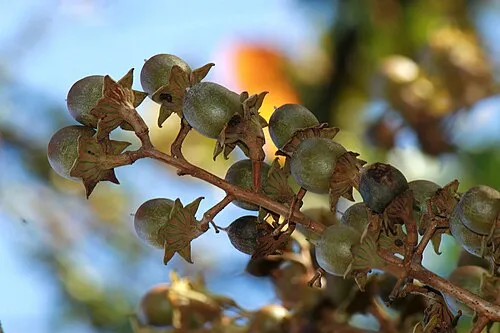
Banaba Leaf — Enhanced Glucose Clearance
How It Fights Glycation: Banaba leaf's corosolic acid activates GLUT4 glucose transporters, pulling sugar out of the bloodstream and into cells where it can be used for energy instead of damaging proteins. Faster glucose clearance after meals directly reduces the window of opportunity for glycation to occur, with studies showing 15-30% reductions in postprandial glucose spikes.
32-48mg corosolic acid daily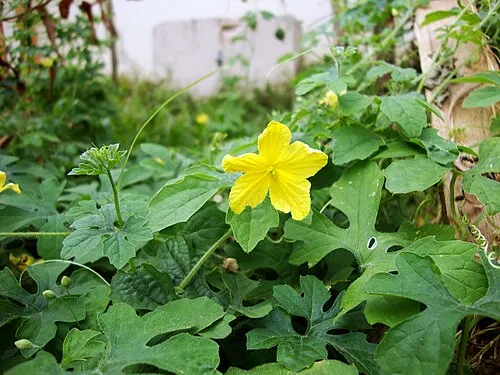
Bitter Melon — Insulin-Independent Glucose Control
How It Fights Glycation: Bitter melon contains polypeptide-p and charantin, compounds that lower blood sugar through insulin-independent mechanisms. This is particularly valuable for individuals with insulin resistance, where standard insulin signaling is impaired. By providing alternative glucose-lowering pathways, bitter melon fills critical gaps that insulin resistance creates in glycation defense.
500-2000mg daily💡 Key Takeaway
Glycation is a progressive, cumulative process that damages every major organ system. The most effective defense combines blood sugar management, AGE precursor scavenging, enhanced glucose clearance, and insulin-independent glucose control. GlycoFree provides all four mechanisms in one formula — the most comprehensive approach to glycation defense available today.
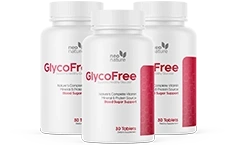
Defend Against Glycation With a Clinically Backed Formula
- Multi-pathway glycation defense ingredients
- Berberine, banaba leaf, cinnamon bark, bitter melon
- GMP-certified, FDA-registered facility in USA
- Full label transparency — no proprietary blends
- 38,000+ verified 5-star customer reviews



Real Users Defending Against Glycation With GlycoFree

"After learning about glycation from my endocrinologist, I knew I needed more than just blood sugar pills. GlycoFree addressed the full picture. My HbA1c dropped from 6.8 to 5.9 in three months, and my doctor says my vascular markers have improved significantly."

"I am a biochemist and I was impressed by the ingredient profile — berberine, banaba leaf, and cinnamon bark all have solid research behind them for glycation defense. After using GlycoFree for 10 weeks, my fasting glucose normalized and my skin actually looks better. The science is real."

"At 55 with a family history of diabetes, I was determined to prevent it. GlycoFree has been a game-changer — my blood sugar is more stable than it has been in years, my energy is consistent throughout the day, and my last blood panel showed improvement across the board."
Frequently Asked Questions
What are Advanced Glycation End Products (AGEs)?
+AGEs are harmful compounds formed when excess sugar molecules in the bloodstream bond permanently to proteins or fats through a process called glycation. This non-enzymatic reaction produces sticky, destructive molecules that accumulate in tissues over time, stiffening blood vessels, damaging collagen, impairing organ function, and accelerating aging. Both dietary sources from high-heat cooking and endogenous production from elevated blood sugar contribute to AGE buildup.
How do AGEs damage the body?
+AGEs cause damage through multiple mechanisms: they cross-link collagen fibers causing tissue stiffness and loss of elasticity, activate RAGE receptors that trigger chronic NF-kB-mediated inflammation, generate reactive oxygen species that damage DNA and cellular structures, impair blood vessel elasticity increasing cardiovascular risk, thicken kidney filtration membranes, and accelerate visible skin aging through collagen degradation.
Can you reverse glycation damage?
+While established AGE cross-links in long-lived proteins like collagen are generally irreversible, research shows you can significantly slow new AGE accumulation and support cellular repair mechanisms. Strategies include maintaining healthy blood sugar levels with targeted supplements like GlycoFree, avoiding high-temperature cooking methods, consuming AGE-inhibiting nutrients like berberine and cinnamon, reducing processed food intake, and increasing antioxidant consumption.
What foods cause the most glycation?
+Foods highest in dietary AGEs include grilled, fried, or broiled meats and fish, processed foods with added sugars, beverages containing high-fructose corn syrup, and anything cooked at very high temperatures with dry heat. Fructose is approximately 10 times more reactive than glucose in forming AGEs. Lower-AGE cooking methods include steaming, boiling, stewing, and poaching — which produce significantly fewer dietary AGEs while preserving nutrients.
How does blood sugar affect glycation?
+Higher blood sugar levels directly and proportionally increase the rate of glycation throughout the body. The HbA1c test — the standard diabetes management marker — actually measures glycation of hemoglobin proteins in red blood cells. When blood sugar remains chronically elevated, more glucose molecules are available to initiate glycation reactions with proteins in blood vessels, nerves, kidneys, eyes, and all other tissues. This is why blood sugar management is the foundation of glycation defense.
What supplements help reduce glycation?
+Research-backed anti-glycation compounds include berberine for AMPK activation and blood sugar reduction, banaba leaf for enhanced cellular glucose uptake, cinnamon bark for methylglyoxal scavenging and insulin sensitization, bitter melon for insulin-independent glucose control, vanadium for insulin-mimetic support, and inulin for gut-metabolic optimization. GlycoFree combines these ingredients in clinical doses for comprehensive multi-pathway glycation defense.
Related Articles

Start Your Glycation Defense Today
Every day without protection means more AGEs accumulating in your tissues. GlycoFree delivers clinically studied ingredients targeting multiple glycation pathways with full label transparency and a 60-day money-back guarantee. Join 38,000+ customers who are taking proactive control of their metabolic health and glycation defense.