The Compound That Opens Your Cells' Doors to Glucose
Imagine your cells have doors for glucose, but insulin resistance has jammed them partially shut. That is essentially what happens with GLUT4 transporters — the protein channels that move glucose from blood into cells. Banaba leaf extract contains corosolic acid, a compound that directly activates these GLUT4 channels independently of insulin, essentially reopening the doors that insulin resistance has blocked.
Used in Filipino traditional medicine for centuries as a "diabetes tea," banaba leaf (Lagerstroemia speciosa) is now validated by modern clinical research. Studies in the Journal of Ethnopharmacology demonstrate that banaba leaf extract reduces postprandial blood glucose by 15-30% within two hours of consumption. Its fast-acting mechanism makes it uniquely effective for blunting the post-meal glucose spikes that drive the most intense glycation damage. This guide examines the clinical evidence, explains why banaba leaf is a critical component of comprehensive blood sugar formulas, and shows how GlycoFree leverages its GLUT4-activating properties alongside synergistic ingredients for maximum glycation defense.
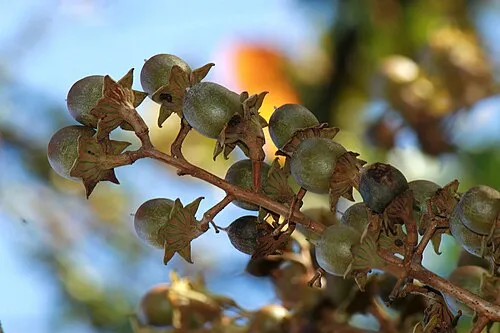
How Banaba Leaf Works: The Science of GLUT4 Activation
Banaba leaf extract's blood sugar benefits stem from multiple mechanisms centered around its star compound, corosolic acid. Here is how each mechanism contributes to glucose regulation and glycation defense.
GLUT4 Transporter Activation
Corosolic acid stimulates the translocation of GLUT4 glucose transporters from intracellular storage vesicles to the cell membrane surface. More GLUT4 channels on the cell surface means more pathways for glucose to enter muscle and fat cells. Critically, this activation occurs through pathways partially independent of insulin, providing glucose clearance even when insulin signaling is impaired by resistance.
Alpha-Glucosidase Enzyme Inhibition
Banaba leaf polyphenols inhibit alpha-glucosidase — the intestinal enzyme that breaks complex carbohydrates into absorbable glucose. By slowing this conversion, banaba leaf reduces the rate at which glucose enters the bloodstream after meals, flattening the postprandial glucose curve. This mechanism works similarly to the prescription drug acarbose but with fewer gastrointestinal side effects.
Insulin Receptor Phosphorylation Enhancement
Beyond direct GLUT4 activation, corosolic acid improves insulin receptor tyrosine kinase phosphorylation — enhancing the sensitivity of insulin signaling. This means the insulin your body produces works more effectively, requiring less of it to achieve adequate glucose clearance. Over time, this reduces the hyperinsulinemia that drives fat storage and metabolic dysfunction.
Hepatic Glucose Output Reduction
Research shows corosolic acid reduces hepatic gluconeogenesis — the liver's production of new glucose from non-carbohydrate sources. This mechanism directly lowers fasting blood sugar levels by reducing the glucose your liver releases between meals and overnight. Combined with improved cellular uptake, this dual action provides comprehensive glucose regulation across all daily periods.
Rapid Onset of Action
Unlike many supplements that require weeks to show effects, banaba leaf extract produces measurable blood glucose reductions within 1-2 hours of ingestion. This rapid onset makes it particularly effective when taken with meals — precisely when postprandial glucose spikes create the highest glycation risk. Clinical trials confirm consistent post-meal glucose blunting from the very first dose.
Anti-Adipogenic Properties
Banaba leaf extract inhibits adipogenesis — the formation of new fat cells — and reduces lipid accumulation in existing fat cells. Research in Molecular Nutrition and Food Research shows banaba polyphenols downregulate PPAR-gamma, the master regulator of fat cell development. Less fat accumulation means reduced inflammatory cytokine production, which in turn improves insulin sensitivity and reduces glycation-promoting inflammation.
Banaba Leaf's Unique Role in Multi-Ingredient Formulas
Banaba leaf fills a critical gap that other blood sugar ingredients cannot cover — direct glucose transport activation. Here is why it transforms multi-ingredient formulas into comprehensive glycation defense systems.
The Signal and the Channel
Other blood sugar ingredients improve the insulin signal (cinnamon, berberine) or provide insulin-like signals (bitter melon). Banaba leaf provides the physical transport channels (GLUT4) that execute glucose uptake. It is the difference between sending a message to open a door versus actually installing the door. Both signal and channel are needed for optimal glucose clearance.
Speed Complements Long-Term Action
Berberine and bitter melon take days to weeks for full metabolic effects. Banaba leaf's rapid 1-2 hour onset provides immediate post-meal glucose management from the first dose. This speed-plus-depth combination ensures glucose control during both the acute postprandial window and the longer-term metabolic optimization period.
Insulin-Independent Backup
Banaba leaf's partial insulin-independent GLUT4 activation provides critical backup when insulin resistance severely compromises normal signaling. While berberine and cinnamon work to improve insulin pathways, banaba leaf ensures glucose clearance continues even before those pathways are fully restored — preventing dangerous glucose accumulation during the recovery period.
Choice
GlycoFree — Banaba Leaf Enhanced With Complete Metabolic Coverage
GlycoFree leverages banaba leaf's rapid GLUT4 activation alongside berberine's AMPK activation, cinnamon bark's insulin sensitization and MGO scavenging, bitter melon's insulin-mimetic compounds, vanadium's additional insulin signaling, and inulin's gut-metabolic optimization. This comprehensive formula ensures every major glucose regulation and glycation defense pathway is covered.
The Complete Synergistic Formula
Here is how banaba leaf integrates with each synergistic ingredient in GlycoFree for maximum combined effectiveness.

Berberine — Upstream AMPK Regulation
Synergy: Banaba leaf activates GLUT4 at the cell membrane; berberine activates AMPK upstream, which further promotes GLUT4 translocation through a different signaling cascade. The combination produces additive GLUT4 activation — more glucose channels on cell surfaces than either ingredient can produce alone, resulting in faster and more complete glucose clearance after meals.
500-1500mg daily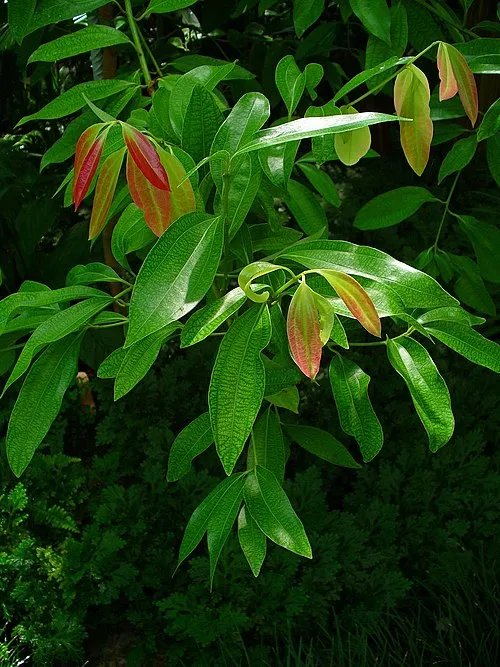
Cinnamon Bark — Receptor + Transporter Optimization
Synergy: Cinnamon improves insulin receptor sensitivity (the signal) while banaba leaf enhances GLUT4 transport (the channel). Together, they create an optimized glucose uptake system where cells both receive the insulin signal more clearly AND have more transport channels available to execute glucose uptake. Additionally, cinnamon's MGO scavenging adds glycation defense that banaba cannot provide.
250-500mg daily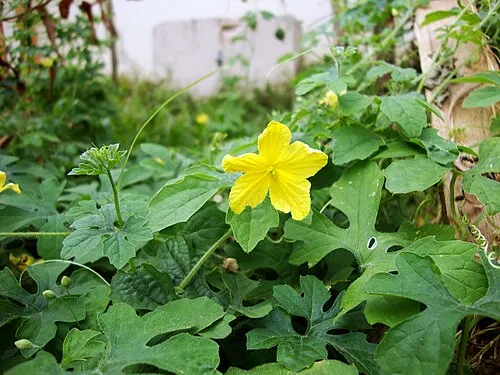
Bitter Melon — Multiple Insulin-Independent Pathways
Synergy: Both banaba leaf and bitter melon work partially independent of insulin, but through different mechanisms. Banaba activates GLUT4 transporters; bitter melon provides insulin-mimetic polypeptide-p that activates downstream glucose metabolism pathways. The combination provides robust insulin-independent glucose control through two distinct pathways — critical insurance for individuals with severe insulin resistance.
500-2000mg daily
Vanadium — Additional Insulin-Mimetic Support
Synergy: Vanadium activates insulin receptor tyrosine kinase through a mechanism different from both banaba's GLUT4 activation and cinnamon's receptor sensitization. This third angle of insulin pathway enhancement creates a triple-layered approach to glucose uptake optimization. Vanadium also promotes glycogen synthesis, complementing banaba's role in moving glucose into cells with mechanisms that store it efficiently.
25-100mcg daily💡 Key Takeaway
Banaba leaf extract's GLUT4-activating corosolic acid fills a unique and critical role in blood sugar management — it provides the physical glucose transport channels that other ingredients' metabolic improvements require to translate into actual glucose clearance. Combined with AMPK activation (berberine), insulin sensitization (cinnamon), insulin mimicry (bitter melon), and additional support (vanadium, inulin), GlycoFree delivers the most comprehensive glucose regulation and glycation defense formula available in 2026.
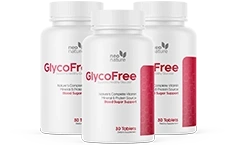
Get Banaba Leaf's Full Potential in GlycoFree
- Clinical-dose banaba leaf with corosolic acid
- Enhanced with berberine, cinnamon, bitter melon
- GMP-certified, FDA-registered facility in USA
- Full label transparency — no proprietary blends
- 38,000+ verified 5-star customer reviews



Real Users on GlycoFree's Banaba-Enhanced Formula

"I started monitoring my post-meal glucose when I began GlycoFree. The difference was immediate — my post-lunch readings dropped from 185-200 to 140-155 within the first week. By month three, my average was consistently under 140. The banaba leaf and berberine combination really controls those after-meal spikes."

"My pharmacist recommended looking for banaba leaf in blood sugar supplements because of its GLUT4 activation research. GlycoFree was the best option — banaba leaf combined with berberine and cinnamon. My fasting glucose dropped 25 points in 6 weeks and my doctor reduced my medication dose."

"I have tried so many blood sugar supplements over the years. GlycoFree is the first one that made a measurable difference in my post-meal numbers AND my fasting glucose. The combination of fast-acting banaba leaf with long-acting berberine covers all the bases. My A1c went from 6.6 to 5.9."
Frequently Asked Questions
What does banaba leaf extract do for blood sugar?
+Banaba leaf extract's primary active compound, corosolic acid, directly activates GLUT4 glucose transporters — the protein channels that move sugar from your bloodstream into cells for energy use. This activation occurs partially independent of insulin, meaning it helps clear glucose even when insulin resistance is present. Clinical trials demonstrate banaba leaf reduces postprandial blood glucose by 15-30% within 1-2 hours, directly reducing the glucose available for glycation damage.
How much banaba leaf should I take daily?
+Clinical research supports 32-48mg of corosolic acid daily, typically standardized from 200-500mg of banaba leaf extract (standardized to 1-18% corosolic acid depending on extraction method). Taking banaba leaf with meals maximizes its postprandial glucose-lowering effect. GlycoFree includes clinical-dose banaba leaf extract combined with berberine, cinnamon bark, bitter melon, vanadium, and inulin for comprehensive multi-pathway blood sugar and glycation defense.
How quickly does banaba leaf work?
+Banaba leaf extract works remarkably quickly — clinical studies demonstrate significant postprandial glucose reduction within 1-2 hours of ingestion. This rapid onset makes it ideal for managing post-meal blood sugar spikes, which are the primary drivers of acute glycation damage. While acute effects begin immediately, cumulative metabolic benefits including improved fasting glucose and better insulin sensitivity develop over 4-12 weeks of consistent daily use.
Is banaba leaf safe for long-term use?
+Banaba leaf extract has demonstrated an excellent safety profile across multiple clinical studies lasting up to 12 months. No significant adverse effects have been reported at recommended doses. Importantly, banaba leaf does not cause hypoglycemia (dangerously low blood sugar) on its own in individuals with normal glucose regulation. However, it may enhance the blood-sugar-lowering effects of diabetes medications, so always consult your healthcare provider if you take prescription blood sugar drugs.
What is corosolic acid?
+Corosolic acid is a pentacyclic triterpenoid compound naturally concentrated in banaba leaves. It is the primary bioactive responsible for banaba's blood sugar benefits. Corosolic acid works by directly activating GLUT4 glucose transporter translocation to cell membranes, enhancing insulin receptor phosphorylation, inhibiting alpha-glucosidase enzymes in the intestine, and reducing hepatic glucose production. Research shows it improves glucose uptake by 15-30% while simultaneously reducing insulin requirement through improved sensitivity.
Why is banaba leaf better in GlycoFree than alone?
+Banaba leaf excels at one critical pathway — GLUT4-mediated glucose transport. But comprehensive blood sugar and glycation defense requires coverage of many additional pathways that banaba alone cannot reach: AMPK activation (berberine), insulin receptor sensitization and AGE precursor scavenging (cinnamon bark), insulin-mimetic compounds (bitter melon), additional insulin signaling support (vanadium), and gut-metabolic optimization (inulin). GlycoFree combines banaba with all of these for complete multi-pathway coverage, backed by 38,000+ verified customer reviews and a 60-day guarantee.
Related Articles
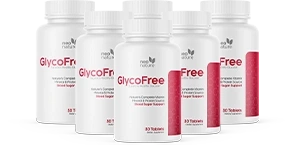
Open Your Cells' Doors to Better Blood Sugar
Banaba leaf's GLUT4 activation is the missing piece in most blood sugar supplements. GlycoFree combines clinical-dose banaba leaf with five synergistic ingredients for complete multi-pathway metabolic defense. Full label transparency, GMP-certified manufacturing, and a 60-day money-back guarantee. Join 38,000+ customers who chose the complete formula.