The Only Natural Compound That Directly Mimics Insulin
While most blood sugar supplements work by improving how your body responds to insulin, bitter melon does something no other natural compound can — it mimics insulin itself. Its polypeptide-p (also called plant insulin) has a molecular structure similar enough to human insulin to activate glucose uptake pathways completely independent of your body's insulin signaling.
Used for centuries in traditional Ayurvedic, Chinese, and African medicine for "sugar disease," bitter melon (Momordica charantia) is now backed by rigorous clinical research. Studies published in the Journal of Ethnopharmacology demonstrate that bitter melon extract reduces fasting blood glucose by 17-25% through at least three distinct active compounds: charantin, polypeptide-p, and vicine. This insulin-independent mechanism makes bitter melon uniquely valuable for individuals whose insulin resistance has become severe enough to compromise other blood sugar interventions. This guide covers the clinical evidence, mechanisms of action, dosing, and why bitter melon delivers its best results when combined with complementary ingredients as part of a comprehensive formula like GlycoFree.
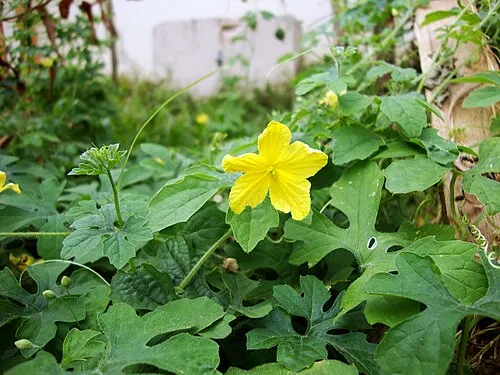
Three Active Compounds: How Bitter Melon Lowers Blood Sugar
Bitter melon contains at least three pharmacologically active compounds that lower blood sugar through distinct mechanisms — a natural multi-target approach within a single plant extract.
Polypeptide-p: Plant Insulin
Polypeptide-p is a 166-amino-acid peptide with structural similarity to human insulin. When absorbed, it activates glucose uptake pathways in liver, muscle, and fat cells through insulin-independent receptor binding. Research in Phytochemistry journal shows polypeptide-p produces a hypoglycemic response comparable to subcutaneous insulin injection at 50% of the dose. This mechanism is especially valuable when insulin resistance has weakened the body's normal insulin pathways.
Charantin: Beta-Cell Stimulation
Charantin is a steroidal saponin that stimulates pancreatic beta-cell function, increasing endogenous insulin secretion. Unlike sulfonylurea drugs (which overstimulate beta cells leading to exhaustion), charantin provides a gentler, physiologically appropriate stimulus that helps preserve beta-cell reserves over time. Studies show charantin also improves glycogen synthesis in liver and muscle, enhancing glucose storage capacity.
Vicine: Peripheral Glucose Utilization
Vicine enhances peripheral glucose utilization — the process by which muscle and other tissues burn glucose for energy. By increasing the rate at which tissues consume glucose, vicine reduces the amount of sugar circulating in the bloodstream available for glycation. This mechanism complements polypeptide-p's uptake enhancement and charantin's insulin secretion support for comprehensive glucose disposal.
AMPK Activation: Metabolic Regulation
Beyond its three signature compounds, bitter melon extract also activates AMPK in skeletal muscle and liver tissue — the same pathway targeted by berberine and metformin. This additional mechanism improves fatty acid oxidation, reduces hepatic glucose output, and enhances insulin sensitivity. The combination of insulin-mimetic AND AMPK-activating properties makes bitter melon uniquely multi-targeted among natural blood sugar compounds.
Alpha-Amylase and Alpha-Glucosidase Inhibition
Bitter melon inhibits carbohydrate-digesting enzymes in the small intestine, slowing the conversion of complex carbohydrates to glucose. This mechanism reduces the rate and magnitude of postprandial glucose spikes — the post-meal blood sugar surges that create the highest glycation risk. Studies show bitter melon reduces post-meal glucose peaks by 20-30% when taken with carbohydrate-containing meals.
Beta-Cell Protection and Regeneration
Perhaps bitter melon's most important long-term benefit is its ability to protect and potentially regenerate pancreatic beta cells. Research published in Molecular Nutrition and Food Research demonstrates that bitter melon extracts reduce beta-cell apoptosis (programmed cell death) and may stimulate beta-cell proliferation. Preserving beta-cell mass is critical for maintaining natural insulin production capacity over time.
Why Bitter Melon Alone Is Not Enough for Complete Glycation Defense
Bitter melon is powerful for insulin-independent glucose control, but comprehensive glycation defense requires additional pathways that bitter melon cannot address alone.
Missing: Direct AGE Precursor Scavenging
Bitter melon lowers blood sugar to reduce glycation substrate, but it does not directly neutralize methylglyoxal (MGO) or other reactive carbonyl AGE precursors. Cinnamon bark polyphenols fill this gap by trapping MGO before it can glycate proteins — adding a direct anti-glycation mechanism that complements bitter melon's glucose-lowering approach.
Missing: Insulin Receptor Sensitization
Bitter melon bypasses insulin signaling rather than improving it. For long-term metabolic health, improving insulin receptor sensitivity is essential. Berberine and cinnamon bark enhance insulin receptor function through different mechanisms, addressing the root insulin resistance that bitter melon works around rather than correcting.
Missing: Gut-Metabolic Axis Optimization
Bitter melon does not significantly impact the gut microbiome or GLP-1 secretion pathways. Inulin prebiotic fiber fills this gap by feeding beneficial gut bacteria, enhancing GLP-1 hormone production, and improving intestinal barrier integrity — all of which contribute to better metabolic health and sustained blood sugar management.
Choice
GlycoFree — Bitter Melon Enhanced With Complete Pathway Coverage
GlycoFree combines bitter melon's insulin-mimetic action with berberine's AMPK activation, cinnamon bark's insulin sensitization and MGO scavenging, banaba leaf's GLUT4 enhancement, vanadium's additional insulin-mimetic support, and inulin's gut-metabolic optimization. This comprehensive formula covers every major blood sugar and glycation defense pathway.
The Synergistic Formula: Bitter Melon + Complementary Ingredients
Here is how each ingredient in GlycoFree extends bitter melon's reach across metabolic pathways it cannot cover alone.

Berberine — AMPK Master Switch Activation
Synergy: While bitter melon provides insulin-mimetic compounds for direct glucose control, berberine activates the AMPK pathway for upstream metabolic regulation — improving fatty acid oxidation, reducing hepatic glucose output, and enhancing cellular energy metabolism. Together, they control blood sugar through both direct (bitter melon) and regulatory (berberine) mechanisms simultaneously.
500-1500mg daily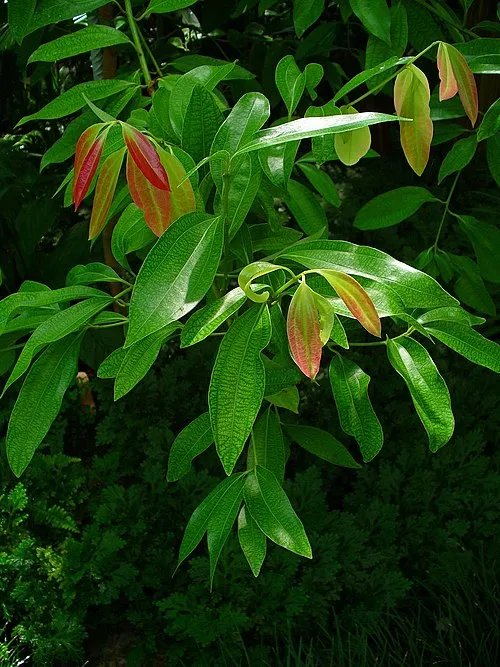
Cinnamon Bark — Insulin Sensitization + AGE Defense
Synergy: Bitter melon bypasses broken insulin pathways; cinnamon bark repairs them through insulin receptor phosphorylation enhancement. Additionally, cinnamon's polyphenols scavenge methylglyoxal — the potent AGE precursor that bitter melon does not address. This creates a two-pronged approach: bitter melon handles immediate glucose control while cinnamon prevents long-term glycation damage.
250-500mg daily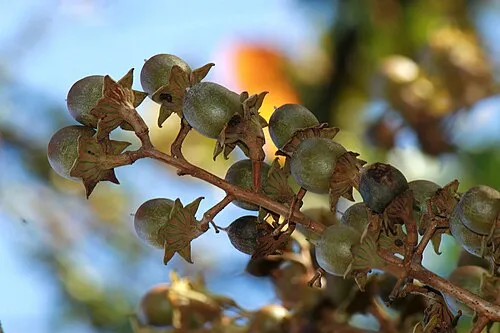
Banaba Leaf — GLUT4 Transport Enhancement
Synergy: Bitter melon signals cells to take up glucose; banaba leaf provides the physical transport mechanisms to execute that uptake. Banaba's corosolic acid activates GLUT4 transporter translocation, moving glucose channels to the cell surface. The combination ensures both the signal (bitter melon's insulin mimicry) and the machinery (banaba's GLUT4 activation) are optimized for maximum glucose clearance.
32-48mg corosolic acid daily
Inulin — Gut-Metabolic Foundation
Synergy: Inulin feeds beneficial gut bacteria that produce short-chain fatty acids — which enhance insulin sensitivity and GLP-1 secretion independently of bitter melon's mechanisms. A healthy gut microbiome also improves the absorption of bitter melon's active compounds, making each dose more effective. This foundational gut-metabolic support amplifies the benefits of every other ingredient in the formula.
5-10g daily💡 Key Takeaway
Bitter melon's insulin-mimetic compounds provide a unique glucose-lowering mechanism that no other natural supplement can replicate. However, comprehensive glycation defense requires additional pathways — AMPK activation, insulin receptor repair, AGE precursor scavenging, and gut-metabolic optimization — that bitter melon alone cannot deliver. GlycoFree combines bitter melon with five complementary ingredients for the most complete blood sugar and glycation defense formula available in 2026.
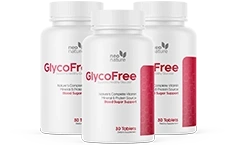
Unlock Bitter Melon's Full Potential With GlycoFree
- Clinical-dose bitter melon for insulin-mimetic action
- Enhanced with berberine, cinnamon, banaba leaf
- GMP-certified, FDA-registered facility in USA
- Full label transparency — no proprietary blends
- 38,000+ verified 5-star customer reviews



What Real Users Say About GlycoFree

"My grandmother used bitter melon juice for her diabetes. I chose GlycoFree because it has bitter melon extract plus ingredients she never had access to. After 3 months, my blood sugar is the best it has been in years. Modern science plus traditional wisdom — it is the perfect combination."

"I have severe insulin resistance and was struggling even with medication. Adding GlycoFree made a noticeable difference — the bitter melon and berberine combination seems to work on pathways my medication does not cover. My doctor confirmed improved numbers after 8 weeks."

"I tried bitter melon capsules for a year with modest results. Switching to GlycoFree's multi-ingredient formula was like upgrading from a single tool to a complete toolkit. My fasting glucose dropped an additional 22 points and my post-meal readings finally stayed under 140. The synergy is real."
Frequently Asked Questions
Does bitter melon really lower blood sugar?
+Yes — the clinical evidence is substantial. Multiple trials published in the Journal of Ethnopharmacology demonstrate that bitter melon extract reduces fasting blood glucose by 17-25% through three pharmacologically active compounds: polypeptide-p (mimics insulin action directly), charantin (stimulates pancreatic beta-cell insulin secretion), and vicine (enhances peripheral glucose utilization). These insulin-mimetic mechanisms work through pathways completely independent of normal insulin signaling, making bitter melon valuable even for people with significant insulin resistance.
How does bitter melon work differently from other blood sugar supplements?
+Most blood sugar supplements work by improving how your body responds to insulin (berberine, cinnamon) or reducing carbohydrate absorption (alpha-glucosidase inhibitors). Bitter melon is unique because its polypeptide-p compound directly mimics insulin at the receptor level — activating glucose uptake pathways without requiring functional insulin signaling. This insulin-independent mechanism provides critical backup when insulin resistance compromises other supplement and medication pathways.
How much bitter melon should I take?
+Clinical trials demonstrating significant blood sugar benefits used 500-2000mg of standardized bitter melon extract daily, taken with meals. Standardized extracts are strongly preferred over raw fruit juice or powder because they deliver consistent, measurable doses of active compounds (polypeptide-p, charantin, vicine). GlycoFree includes clinical-dose bitter melon extract as part of its comprehensive multi-ingredient formula for optimal results.
Can bitter melon replace diabetes medication?
+No — bitter melon should not replace prescribed diabetes medications without explicit guidance from your healthcare provider. While clinical research demonstrates significant blood sugar benefits, bitter melon supplements are designed to complement medical treatment, not replace it. They provide additional metabolic support through pathways that medications may not fully cover. Always consult your doctor before modifying your diabetes management plan.
What are the side effects of bitter melon?
+Bitter melon is generally well-tolerated at recommended supplemental doses. The most common side effects are mild gastrointestinal discomfort (cramping, diarrhea), particularly at higher doses or when first starting. Bitter melon may enhance the blood-sugar-lowering effects of diabetes medications, potentially increasing hypoglycemia risk. Pregnant women should avoid bitter melon due to potential uterine stimulant effects. When taken as part of a balanced formula like GlycoFree, side effects are typically minimized through optimized dosing.
Why is bitter melon better in a multi-ingredient formula?
+Bitter melon excels at insulin-mimetic glucose control but does not address AMPK activation (berberine covers this), insulin receptor repair (cinnamon bark), direct GLUT4 transport enhancement (banaba leaf), AGE precursor scavenging (cinnamon polyphenols), or gut-metabolic optimization (inulin). GlycoFree combines bitter melon with these five complementary ingredients for comprehensive coverage of all major blood sugar and glycation defense pathways — delivering results that standalone bitter melon cannot achieve, as confirmed by 38,000+ verified customers.
Related Articles
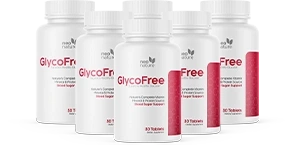
Experience the Complete Multi-Pathway Formula
Bitter melon is remarkable — but it is one pathway in a multi-pathway problem. GlycoFree combines bitter melon's insulin-mimetic compounds with five synergistic ingredients for complete blood sugar and glycation defense. Full label transparency, GMP-certified manufacturing, and a 60-day money-back guarantee. Join 38,000+ customers who chose comprehensive metabolic protection.